
Rye Flour Nutrition Facts
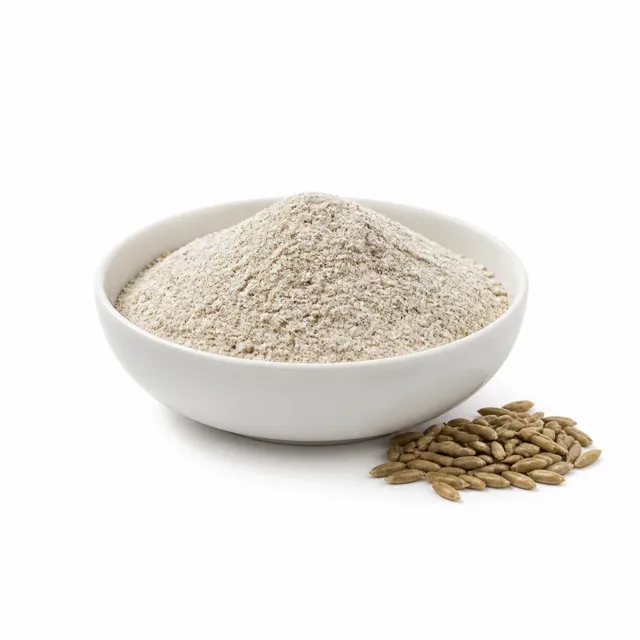
Rye Flour is a milled grain ingredient used to build doughs and batters; whole-grain, refined, enriched, and unenriched versions differ in composition. It provides protein, dietary fiber, potassium, and magnesium.
Calories359
Protein8.4 g
Carbs77.2 g
Fat1.9 g
ProteinCarbsFat
Nutrition for 100 g
Calories359 kcal
Protein8.4 g
Total Fat1.9 g
Carbohydrates77.2 g
Fiber13.7 g
Total SugarsNot reported
Sodium0 mg
Full nutrient profile
Proximates
Water11.13 g
Nitrogen1.44 g
Protein8.3952 g
Total lipid (fat)1.908 g
Ash1.405 g
Carbohydrates
Carbohydrate, by difference77.1618 g
Fiber, total dietary13.68 g
Total dietary fiber (AOAC 2011.25)17.9 g
High Molecular Weight Dietary Fiber (HMWDF)12.99 g
Low Molecular Weight Dietary Fiber (LMWDF)4.899 g
Beta-glucan1.913 g
Starch54.11 g
Minerals
Calcium, Ca32.24 mg
Iron, Fe2.536 mg
Magnesium, Mg95.39 mg
Phosphorus, P280.3 mg
Potassium, K434 mg
Sodium, Na0 mg
Zinc, Zn2.328 mg
Copper, Cu0.3384 mg
Manganese, Mn2.129 mg
Selenium, Se16.6 ug
Molybdenum, Mo75.46 ug
Vitamins and other components
Thiamin0.2163 mg
Riboflavin0.17 mg
Niacin1.163 mg
Vitamin B-60.1638 mg
Biotin8.975 ug
More about allergens
This food contains: Wheat. Cross-contact is still possible in packaged products made on shared equipment. Check the actual package and manufacturer warning.
How to choose and store Rye Flour
How to choose
Choose well-sealed packages with no moisture, clumping, or off smell.
Storage
Store in a cool, dry place in an airtight container; follow the package date.
Related foods
View all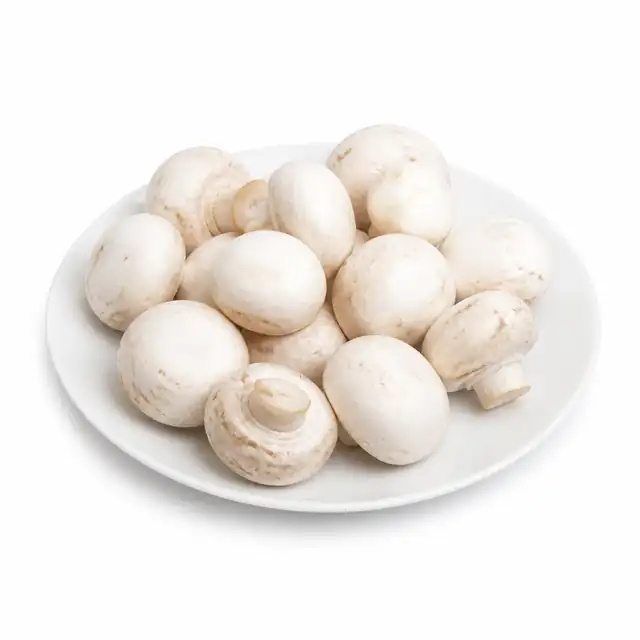
Vegetables
31 kcalWhite Button Mushroom
100 g
P 2.9gC 4.1gF 0.4g
Fruits
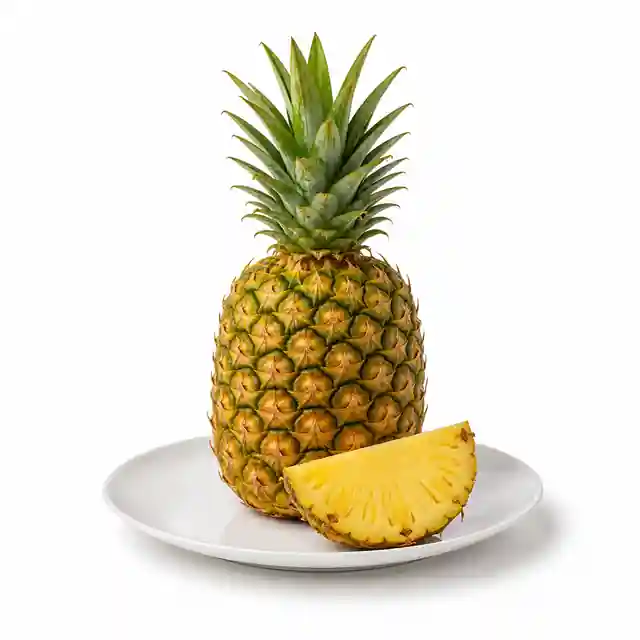
60 kcalPineapple
100 g
P 0.5gC 14.1gF 0.2g
Grains
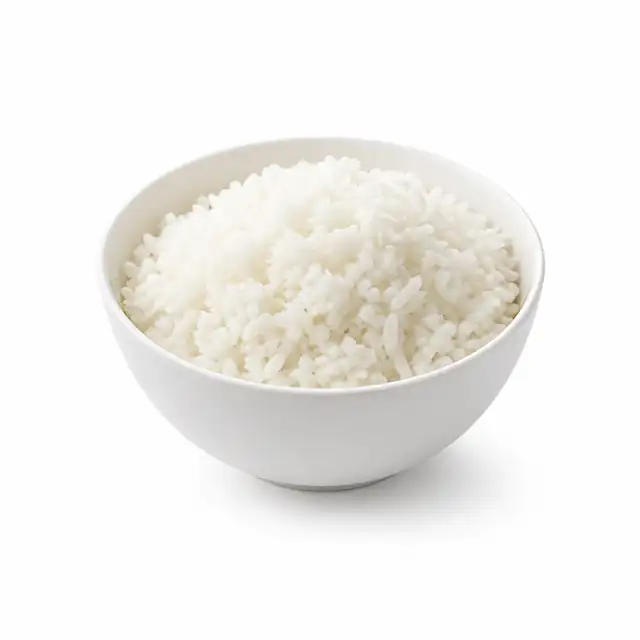
359 kcalWhite Rice
100 g
P 7gC 80.3gF 1g
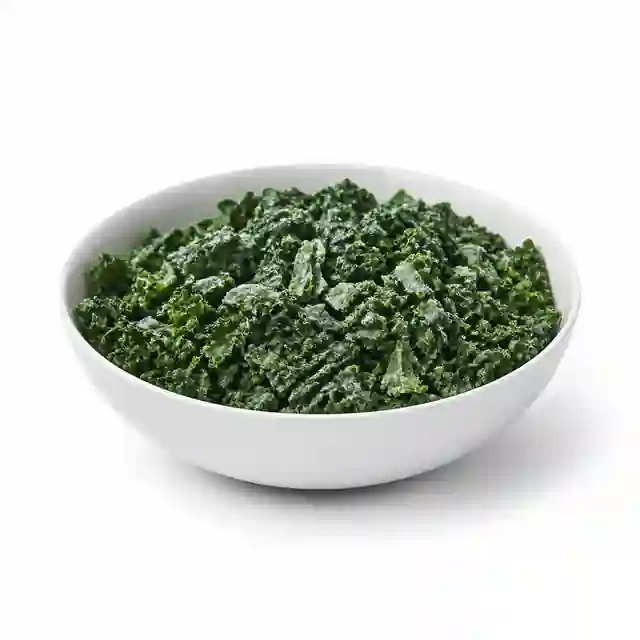
Vegetables
36 kcalKale (Frozen)
100 g
P 2.9gC 5.3gF 1.2g
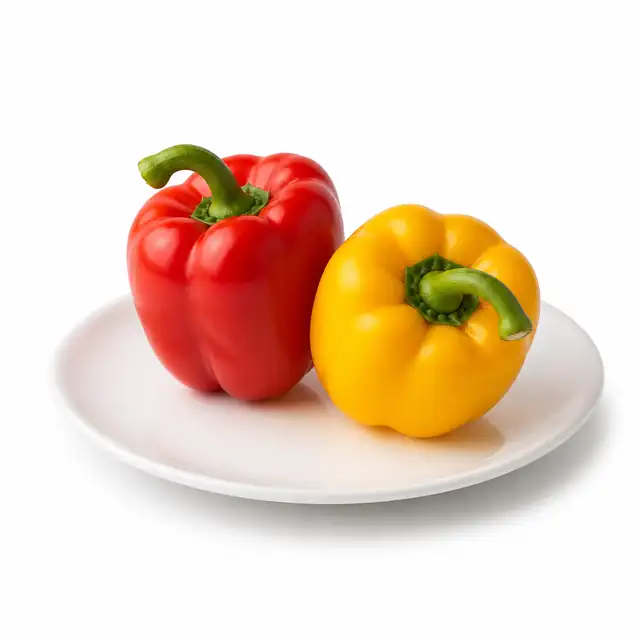
Vegetables
23 kcalPeppers (Bell)
100 g
P 0.7gC 4.8gF 0.1g
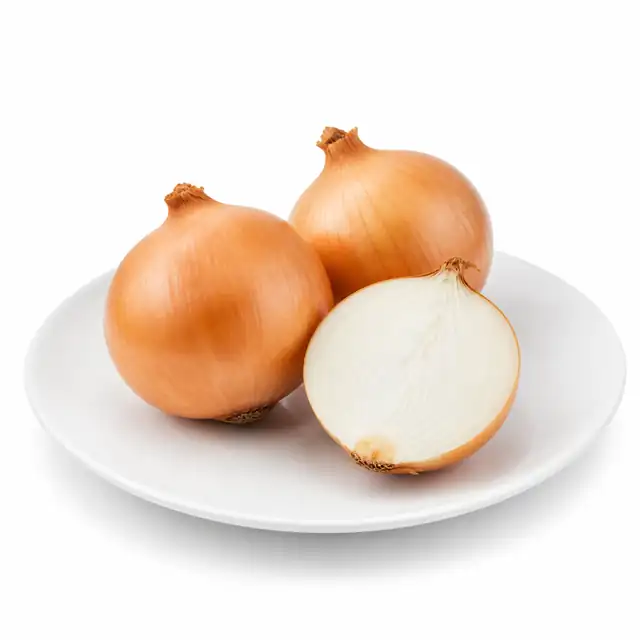
Vegetables
38 kcalOnions (Yellow)
100 g
P 0.8gC 8.6gF 0.1g
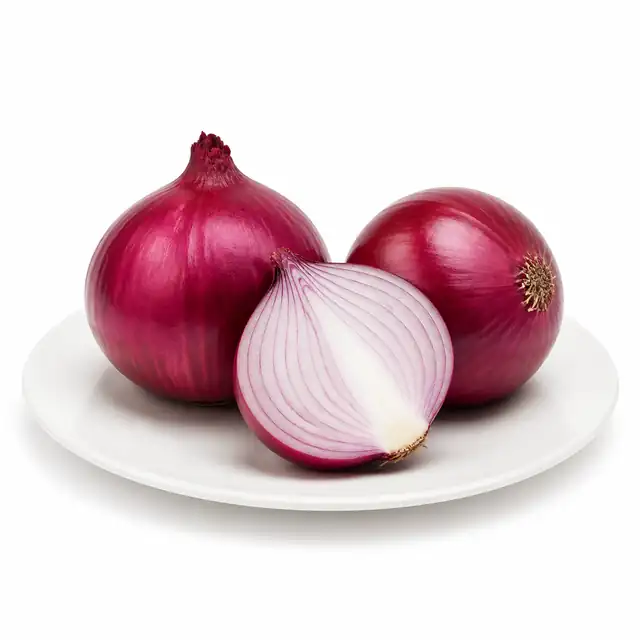
Vegetables
44 kcalOnions (Red)
100 g
P 0.9gC 9.9gF 0.1g
Grains
375 kcalSorghum Flour
100 g
P 8.3gC 77.4gF 3.6g