
Egg Nutrition Facts
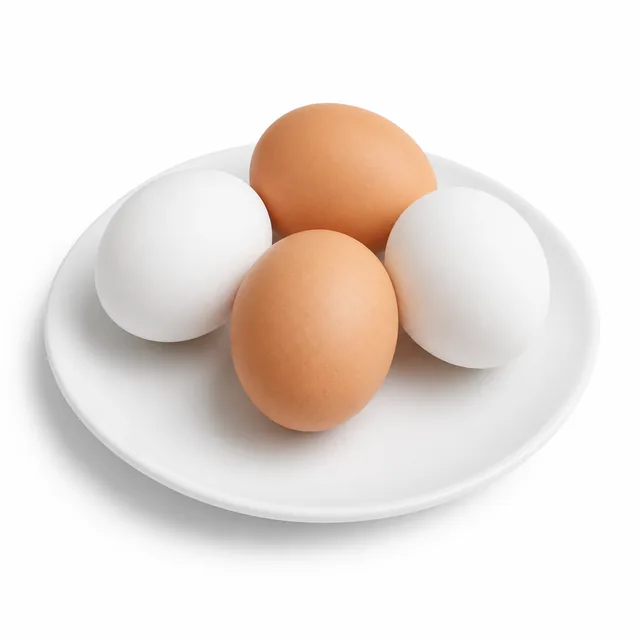
A whole Grade A egg provides complete protein and fat together with choline, vitamin B12, selenium, lutein, and other micronutrients. Protein supports tissue maintenance, while choline contributes to cell membranes and normal nervous-system function; the egg should not be marketed as a testosterone booster. Buy refrigerated eggs with clean, uncracked shells and store them in their original carton on an interior refrigerator shelf, not in the warmer door.
Nutrition for 100 g
Full nutrient profile
Proximates
Carbohydrates
Minerals
Vitamins and other components
Lipids
Amino acids
Other bioactive components
More about allergens
Contains Egg as an intrinsic ingredient. Cross-contact is still possible in packaged products made on shared equipment. Check the actual package and manufacturer warning.
How to choose and store Egg
How to choose
Choose refrigerated eggs with clean, uncracked shells.
Storage
Refrigerate at 40°F (4°C) or below. Raw eggs in the shell keep 3–5 weeks; hard-cooked eggs keep about 1 week.
Related foods
View all
White Button Mushroom
100 g

Pineapple
100 g
White Rice
100 g

Kale (Frozen)
100 g

Peppers (Bell)
100 g
Onions (Yellow)
100 g
Onions (Red)
100 g
Sorghum Flour
100 g